
The History of the Holy Kaaba (Baitullah) in Makkah – A Complete Islamic Guide to Its Origin
Introduction
The Holy Kaaba (Baitullah) in Makkah is the sacred house of Almighty Allah, first reconstructed by Prophet Adam (Alaihis Salam) and later buried under sand during Nooh’s (Alaihis Salam) flood.
With the passage of time, Almighty Allah instructed Prophet Ibrahim and his son Isma’il (Alaihis Salam) to reconstruct it, and the Qur’an states it is the first house on earth.
After Masjid-ul-Aqsa, the Kaaba was declared Qiblah by Allah, guiding Muslims in prayer and faith.
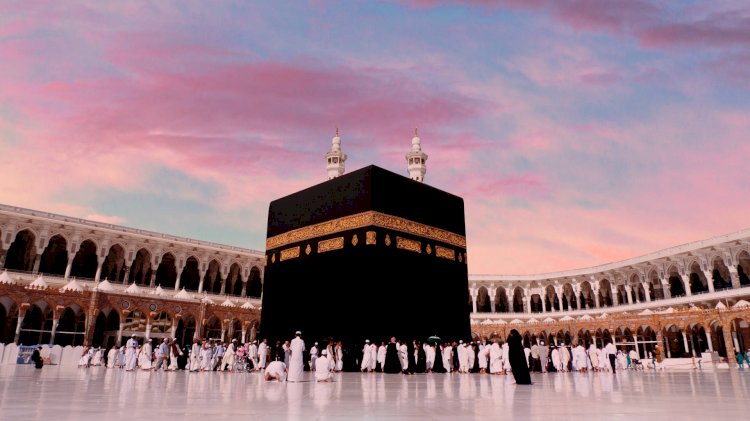
Origin and Early History of the Kaaba
The Kaaba is the most important sacred place for Muslims in Makkah, Saudi Arabia, and the whole world turns to face it when they pray.
Its history goes further back than Islam, and this article undertakes that journey through time, right from the beginning down to later periods.
The story is known through the Quran and sahih Hadith, which clearly explain its importance.
Why Did Allah Create the Kaaba?
The divine purpose of the Kaaba was to be a house of worship for Allah (SWT).
It was meant for monotheism and worship alone, showing the original purpose of faith.
This purpose was later restored by Prophet Muhammad ﷺ.
Origin and Early History of the Kaaba
The Kaaba is the most important sacred place for Muslims in Makkah, Saudi Arabia, and the whole world turns to face it when they pray.
Its history goes further back than Islam, and this article undertakes that journey through time, right from the beginning down to later periods.
The story is known through the Quran and sahih Hadith, which clearly explain its importance.
Why Did Allah Create the Kaaba?
The divine purpose of the Kaaba was to be a house of worship for Allah (SWT).
It was meant for monotheism and worship alone, showing the original purpose of faith.
This purpose was later restored by Prophet Muhammad ﷺ.
The History of the Holy Kaaba (Baitullah) in Makkah
The Kaaba Built by Prophet Ibrahim (AS) and Prophet Ismail (AS)
The Kaaba was built when the story begins with Prophet Ibrahim and Prophet Ismail, as Allah SWT instructed him to separate his wife Hajar and infant son Ismail and leave them in the desolate valley of Makkah.
With time, mercy came through water as the miracle Zamzam well, and people began to settle in the nearby vicinity, a moment that shows Allah’s care and wisdom.
After many years later, they reconstructed and established this place for solely worship of Allah SWT, an event mentioned in Quran with clear Quranic references forming the Foundations of Tawheed (monotheism).
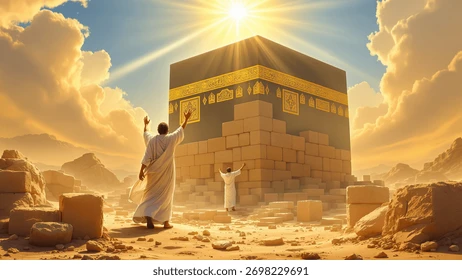
Evolution of the Kaaba – An Overview
The holy Kaaba in Mecca, Saudi Arabia, is the holiest site where Muslims pray five times a day, facing the Qibla at its centre, and understanding the history and evolution of this square-shaped monument with black silk and cotton veil etched with gold reveals its prominent religious significance.
Early Construction and Design
Originally, the Kaaba had a simple structure and materials, situated in the location in Makkah Valley, and was constructed by Prophets Ibrahim (AS) and Ismail (AS), evolving over various phases and centuries into the most prominent mosque, Masjid Al-Haram, serving as the final destination of Hajj and a guiding light for over billion followers in the modern day.
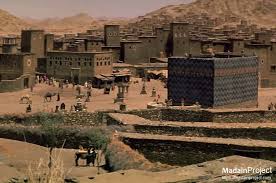
Pre-Islamic Era of the Kaaba
In the pre-Islamic era, long before the beginning of Islam, the Kaaba served as a central sanctuary for Arab tribes, where the structure housed numerous idols and was the focal point of idol worship around the Kaaba. The annual pilgrimage, Hajj, attracted pilgrims from different regions, and the Role of Quraysh tribe influenced religious practices before Islam, giving the Kaaba a sacred status despite the widespread worship.
Reconstruction and Architectural Transformations
Major Reconstructions of the Kaaba
Quraysh Reconstruction
The Kaaba was rebuilt by the Quraysh to strengthen its structure while preserving its sacred role.
This reconstruction respected tradition and ensured continuity of worship.
It marked an important phase in the living history of the Holy Kaaba.
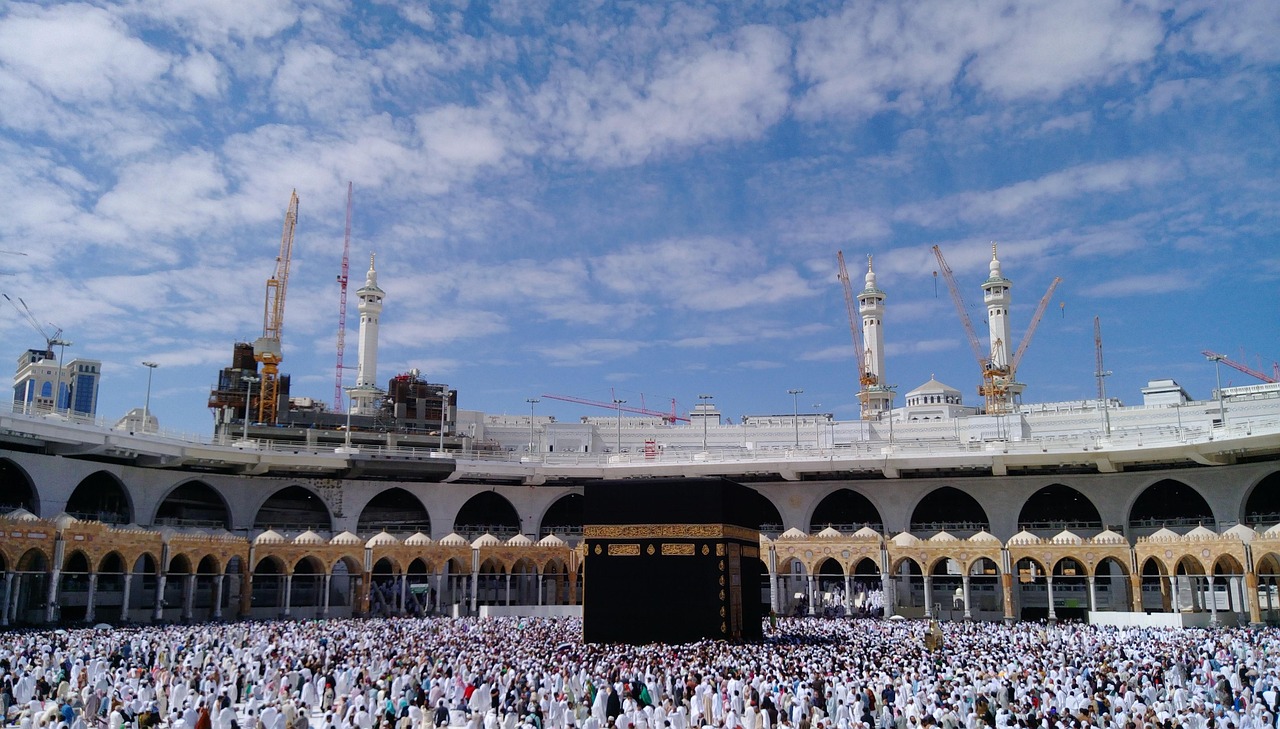
Prophet Muhammad ﷺ and Placement of Hajar-e-Aswad
During rebuilding, Prophet Muhammad ﷺ resolved a dispute with wisdom by placing the Hajar-e-Aswad himself.
This moment showed unity, justice, and respect for sacred symbols.
It remains a powerful example of leadership tied to faith.
Later Islamic Restorations
Over time, later Islamic restorations protected the Kaaba from damage and decay.
Each effort followed earlier original foundations and spiritual purpose.
These restorations kept the Kaaba strong while honoring its divine legacy.
Architectural Transformation of the Kaaba
Materials and Structural Changes Over Time
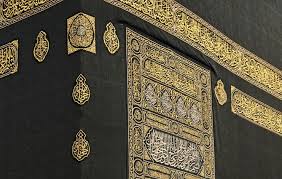
The history of the Kaaba reflects continuous architectural transformation, with many reconstructions and renovations carried out throughout time to preserve its sacred structure. The current structure is a cubic building, clearly cube-shaped, covered with black silk and a gold curtain called the Kiswa, standing as a living witness to Islamic architecture. From my study and visits, this evolving design truly represents the enduring spirit and faith that has protected the Kaaba across centuries.
Role of Kiswah Over Time
From my study of sacred sites, I have learned that the Kaaba did not turn black suddenly; it reflects natural aging, time, and the environment, causing surface change and shaping its historical appearance through layered coverings and the slow aging process.
The Kiswah plays a central role, as this black cloth covering the Kaaba over time offers protection, supports careful maintenance, and reflects a deep tradition rooted in historical practice.
This sacred fabric shows how devotion and care preserved the Kaaba’s dignity while honoring centuries of faith
The Kaaba and Youth of Prophet Muhammad ﷺ
Arbitration of the Black Stone
Birth and Early Reputation
Prophet Muhammad ﷺ was born into the Quraysh tribe, the caretakers of the Kaaba, and from early life he was known as truthful and honest, even prior to becoming a prophet.
Flooding and Dispute Over the Black Stone
During his childhood, the Kaaba faced destruction due to flooding, and when people wished to reconstruct it, fighting began over the right to place the Black Stone (Hajar al-Aswad) back in its former position.
Wise Resolution and Leadership
He was called upon for help, used a cloth that leaders raised together, and returned the stone to its position, showing wisdom and avoiding possible bloodshed.
Wisdom and Leadership
His calm decision reflected rare wisdom, proving why the tribes trusted him even before prophethood.
This moment shaped his role as a natural leader rooted in justice and peace.
A hadith states the stone descended from Paradise, whiter than milk, later blackened by the sins of the children of Adam (Tirmidhi, Hasan).
4.2 Islamic Transformation of the Kaaba
Restoration to Pure Monotheism
After the conquest of Makkah, Prophet Muhammad ﷺ led the cleansing of idols, restoring the Kaaba to pure monotheism.
This act returned the House to its original purpose of worshiping Allah alone.
From experience studying Islamic history, this moment marks a spiritual reset for humanity.
Global Unity of Muslims through Qiblah
From Madinah, the early Muslims first prayed toward Masjid Al-Aqsa in Jerusalem, until Allah SWT revealed the command to change direction of qiblah toward the Kaaba, the Sacred Mosque in Makkah, where Muslims now turn your face, wherever you are, as stated in Al-Baqarah 2:144.
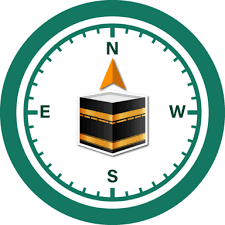
As the Kaaba, the most sacred and important site in Islam, standing in Makkah, Saudi Arabia, became the center of prayer, the Muslim community grew in unity, oriented toward one holy place, creating a historic moment that continues to shape lives and prayers around the worl
Spiritual Continuity and Experience
From my study of Islamic history and personal reflection during learning about Qiblah, this unifying Muslims experience reflects how the Kaaba remains a central place, not only in ritual worship, but as a living symbol of shared faith and collective direction.
History of Hajar-e-Aswad
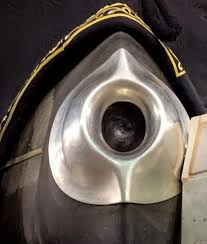
The Hajar-e-Aswad (Black Stone) is a significant part of the history of the holy Kaaba (Baitullah) in Makkah and one of the most respectable elements of the Kaaba.
It is believed to be given to Prophet Ibrahim by angel Jibreel (Alaihis Salam) and is housed in the eastern corner of the Kaaba.
During Hajj, pilgrims kissed or touched the Black Stone as an integral part of the sacred ritual.
History and Evolution of the Kiswah
The Kaaba is today among the most visited holy sites in the world, standing as a 15-metre-high cubical structure, 10.5 metres wide on all sides, and covered with a black veil of cotton and silk, engraved with gold, known as the Kaaba Kiswa (black cloth).
The kiswa is replaced every year on the ninth day of Dhu al-Hijjah, following the footsteps of the Prophet (PBUH), a tradition I have studied closely through classical Islamic history sources.
It was first produced by the kings of Egypt and Yemen, later taken over by the Egyptians until 1962 due to conflict, and today produced in Mecca, preserving honor and continuity.
The Kaaba and Hajj & Umrah
Role of the Kaaba in Hajj
The Kaaba is the center of the Hajj pilgrimage, where every Muslim who is physically and financially capable is obliged to perform the Hajj at least once. The tawaf, circling the Kaaba seven times, strengthens the spiritual connection and symbolizes devotion to Allah, while uniting millions of Muslims around the world in shared prayers and purpose.
Umrah and the Kaaba
During Umrah, pilgrims follow rituals centered around the Kaaba, walking in tawaf and offering supplications, earning reward and blessings as a sign of faith and adherence to the Sunnah of Prophet Muhammad ﷺ.
Kaaba – Present Day Structure
The Kaaba, in the present day modern era, stands as a 15-metre-high, cubical structure, 10.5 metres wide on all sides, covered with a black veil of cotton and silk, engraved with gold, known as the Kaaba Kiswa or black cloth, meticulously preserved and maintained to protect its integrity, allowing millions of pilgrims to experience its spiritual significance during Hajj and Umrah. replaced annually on Dhu al-Hijjah following the footsteps of Prophet Muhammad ﷺ.
Its current dimensions are carefully preserved through continuous maintenance, ensuring structural integrity, accessibility, and reverence as a sacred site and spiritual center for pilgrims in Mecca, Saudi Arabia, highlighting both its historical continuity and significance in Islam.
What’s Inside the Kaaba?
Inside, the Kaaba features a detailed interior layout with sacred items, pillars, inscriptions, ritual objects, lanterns, carpets, and hanging cloth, along with historical artifacts and symbolic elements. These spiritual items reflect devotion, monotheism, and worship of Allah, preserving the Islamic tradition and religious heritage while maintaining interior preservation, reverence, and a sacred space for veneration and ritual use.
The History of the Holy Kaaba (Baitullah) in Makkah
Oldest house of worship on Earth
Visiting Makkah, I have always felt the profound spirituality and sacredness of the Kaaba, the ancient, revered, and holy Baitullah, which stands as the oldest, historic, and monumental house of worship on Earth, built by Prophet Abraham and maintained through heritage, tradition, and faith, reflecting Islamic, religious, and cultural architecture, rituals, pilgrimage, and devotion.
Global prayer direction
Every Muslim worldwide aligns in prayer toward this central, universal, and focal qibla, where orientation, guidance, and unity meet spiritual, ceremonial, and ritual significance, turning Kaaba into a landmark, sacred site, and divine compass of worship, pilgrimage, and congregation, linking Mecca, Meccan, and Baitullah in a timeless symbolism of devotion and centrality.

Unique features and records
The Kaaba’s cube structure, with its stone, corners, doors, interior, exterior, Kiswah coverings, inscriptions, and embellishments, showcases unique, extraordinary, and iconic architecture, design, and dimensions, preserved through restoration, renovation, and heritage, marking it as a historic, revered, monumental, and sacred site where ceremonial, ritual, spiritual journey, and pilgrimage intersect with faith, blessing, divine, and legacy, making it an enduring religious, cultural, and iconic landmark of Islam.
How Old Is the History of the Kaaba?
The Kaaba, also called Baitullah, in Makkah and Mecca, is the oldest, ancient, and historic monument built by Prophet Abraham, standing as a sacred, holy, and revered religious site where pilgrimage, Hajj, Umrah, rituals, worship, and devotion have continued through heritage, tradition, faith, legacy, and ceremonial practices, forming a monumental, iconic, and extraordinary landmark of civilization, culture, and spiritual journey.
Why Is the Kaaba Important to Muslims?
For Muslims, the Kaaba holds immense importance and significance, serving as the qibla, direction, and central point of unity, guidance, congregation, spiritual, and ceremonial worship, where rituals, pilgrimage, Hajj, Umrah, devotion, faith, blessing, and sanctuary merge with tradition, symbolism, reverence, and sacredness, making it a hallowed, divine, and iconic landmark.
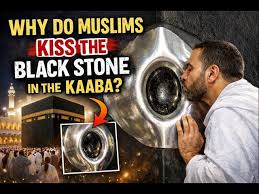
Why Do Muslims Kiss the Black Stone?
The Black Stone at the Kaaba is venerated in rituals, ceremonial, and spiritual practices where Muslims kiss, worship, and show devotion, combining faith, blessing, reverence, sacredness, tradition, heritage, and symbolism, reflecting the historical, extraordinary, hallowed, iconic, and monumental essence of the Kaaba, Baitullah, Mecca, and Arabia.
What Is Inside the Kaaba in Mecca?
Inside the Kaaba, the interior and sanctum hold stone, cube, doors, coverings, Kiswah, inscriptions, embellishments, and architectural design of historical, sacred, monumental, and extraordinary significance, preserved through renovation, restoration, and heritage, making it a holy, revered, iconic, and unique religious site for pilgrimage, rituals, spiritual journey, ceremonial acts, devotion, and faith.
The Kaaba’s journey through history
The Kaaba, also called Baitullah, in Makkah has had an extraordinary journey of over 2,500 years, witnessing idol worship, polytheism, and later restoration to monotheism by Prophet Muhammad ﷺ, following the original foundation laid by Prophet Ibrahim, becoming a sacred, holy, and revered religious site enriched with heritage, culture, tradition, historical significance, and a monumental legacy that continues to inspire Muslims across centuries.
Its eternal role in Islam
This holy site has an eternal role in Islam, serving as a place of devotion, faith, rituals, pilgrimage, Hajj, and Umrah, where worshippers experience spiritual, ceremonial, and divine blessing, while its iconic, hallowed, and extraordinary symbolism strengthens unity, centrality, and guidance in Muslim life, making the Kaaba a revered monument of sanctity and faith-based inspiration.
Spiritual significance for Muslims worldwide
The spiritual journey to the Kaaba connects Muslims worldwide to Allah SWT, highlighting the sacredness, veneration, and ceremonial acts of worship, as each ritual, sacred place, and religious practice reinforces faith, divine, and iconic heritage, while its historic, monumental, and extraordinary presence continues to inspire a spiritual and Islamic legacy that transcends time and unites believers around the globe.
Conclusion
The Kaaba in Makkah, also known as Baitullah, has a remarkable history spanning over 2,500 years, from Prophet Ibrahim to Prophet Muhammad ﷺ, transforming from idol worship to monotheism, and becoming the most sacred, holy, and revered religious site in Islam. Its spiritual significance continues to inspire Muslims worldwide, as millions perform Hajj, Umrah, and rituals at this iconic, historic, and monumental landmark, strengthening faith, devotion, unity, and guidance, while preserving its heritage, tradition, and divine blessing for generations.